The Alliances Oversight Gap.
Alliance ecosystems evolve continuously, Oversight often does not.
The result is an Oversight Gap, the distance between what leadership believes is happening across its alliance ecosystem and what current evidence can actually support.
The Oversight System helps organisations close that gap through a structured, evidence-based approach to Alliance Oversight.
Want to check if you could be exposed to The Gap, take the complimentary Gap Detector Assessment.
No sign up | No obligation to proceed | report delivered immediately to your email
Why The Oversight Gap Develops.
The Oversight Gap rarely has a single cause.
Most alliance ecosystems develop incrementally. A new partner is added, a route to market expands, ownership becomes distributed, governance is adapted locally, and reporting is produced by different teams for different purposes. Each change may appear manageable in isolation, but across the ecosystem, they create fragmentation.
The issue is rarely that no one knows anything, it is that no one has a complete, current and corroborated view. The Oversight Gap can develop when:

Alliance strategy has drifted.
Activity continues, but the original purpose of the relationship may no longer reflect current business priorities, customer needs or market conditions.
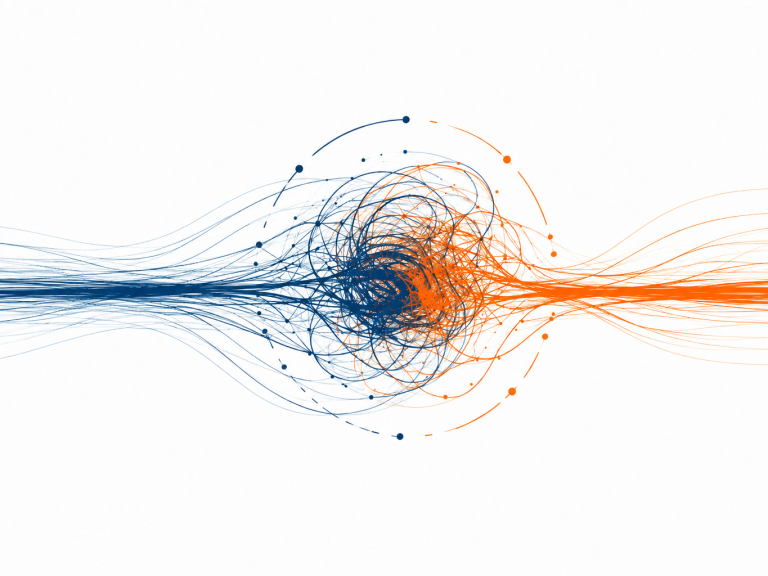
The organisation lacks a clear view of its ecosystem.
Leadership may understand individual partners well, yet still lack a reliable view of the ecosystem as a whole, where it is strong, exposed, or needs attention.
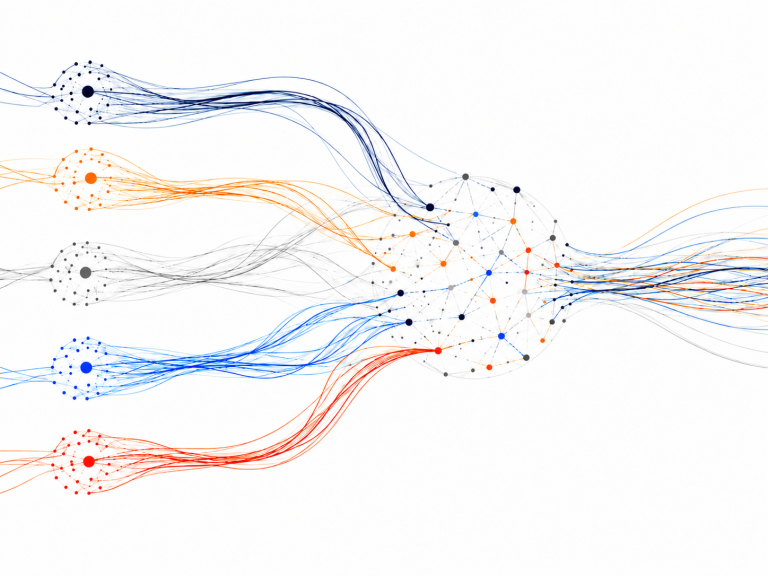
Internal teams are not aligned around alliances
Sales, marketing, product, delivery and leadership may each hold different expectations of the alliance, creating conflicting priorities and inconsistent execution.
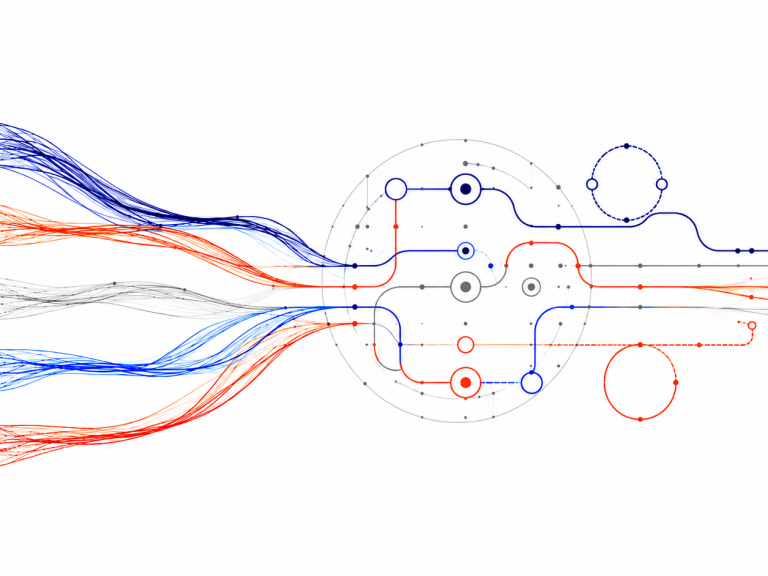
The operating model has not kept pace.
Structures, responsibilities and systems built for a smaller partner environment may no longer support consistent execution as the ecosystem has grown in scale.
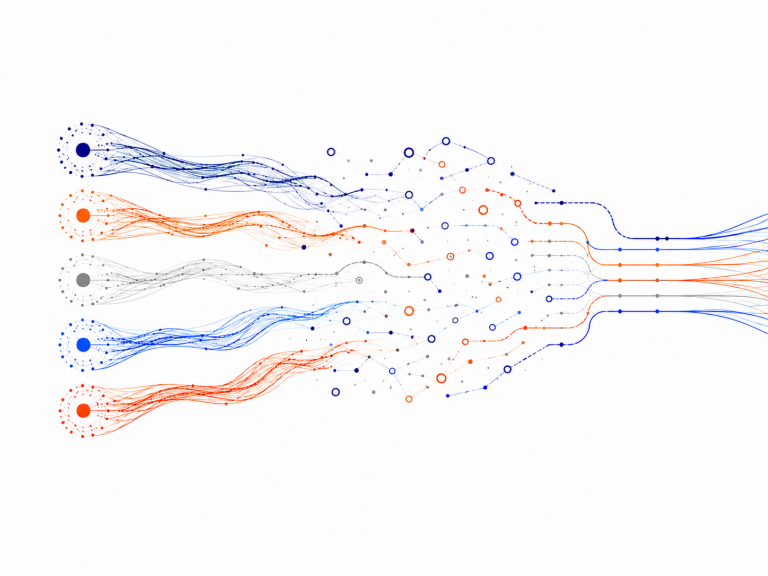
Governance stops producing effective decisions.
Meetings, reviews and sponsors may all be in place, yet accountability remains unclear, actions are routinely delayed, and difficult decisions are quietly avoided.
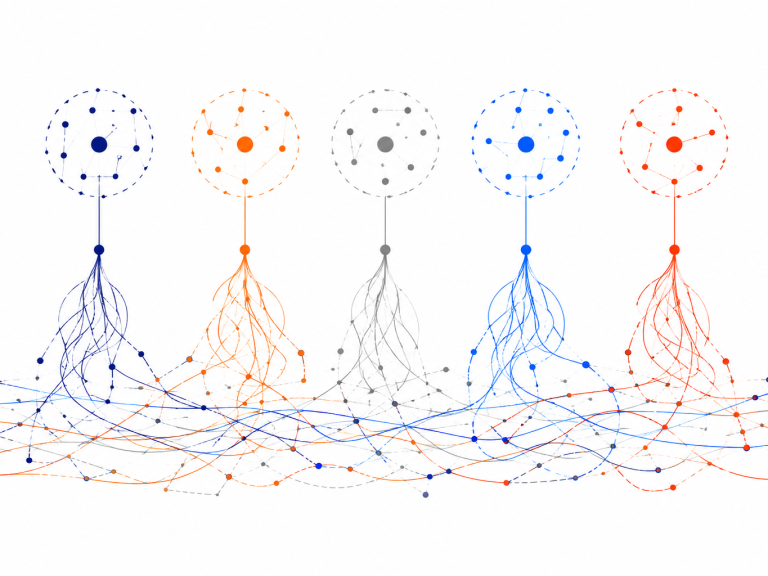
Alliance information and reporting become unreliable.
Evidence is fragmented across systems, spreadsheets and individual knowledge, leaving leadership with activity updates rather than a complete view of health.
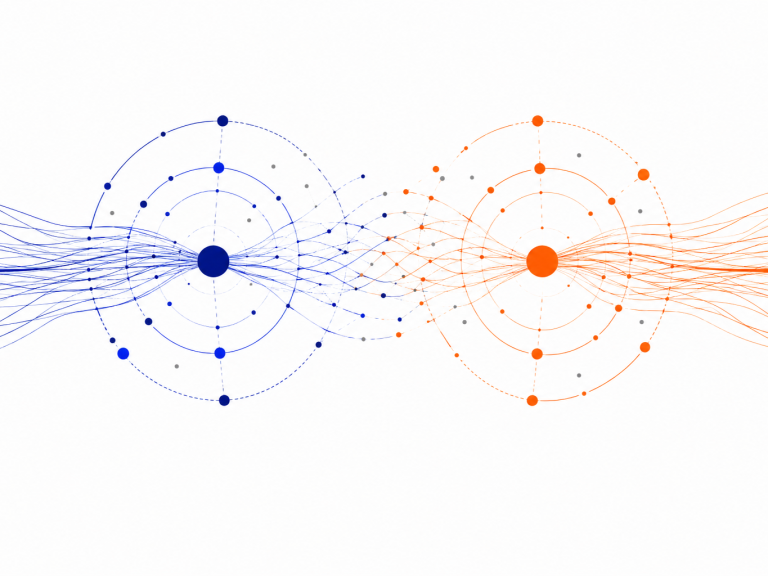
Partners can no longer be compared consistently.
Partners are often reviewed in isolation against different expectations, making it difficult to compare relationships or identify where attention is genuinely needed.
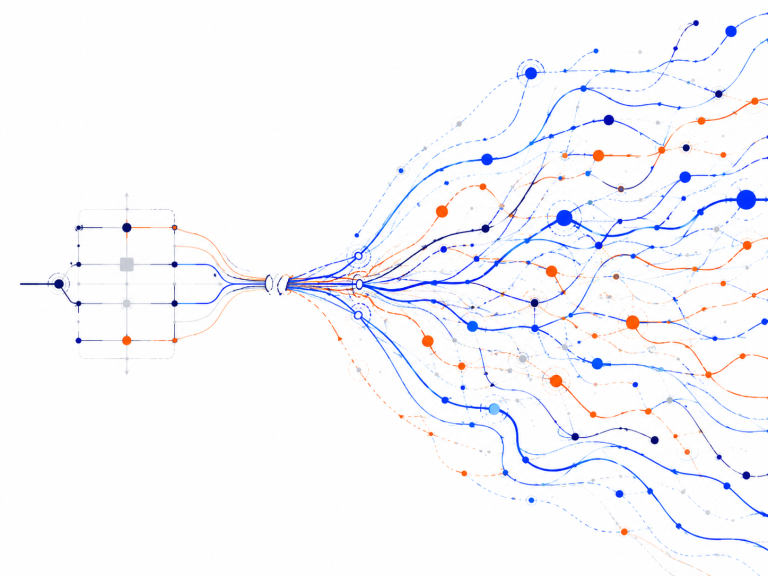
Partner capabilities and commitments are poorly understood.
A partner may appear strategically attractive while lacking the capacity to deliver, with both sides holding materially different views of the relationship itself.
Why It Matters.
Decisions are only as reliable as the evidence behind them.
When oversight weakens, leadership may continue to make reasonable decisions based on an increasingly incomplete understanding of the ecosystem. The consequences can include:
- Investment directed towards the wrong relationships
- Strategic gaps remaining hidden
- Underperforming partners retaining internal confidence
- Governance activity failing to produce meaningful decisions
- Duplicated effort across functions
- Emerging risks being identified too late
- Opportunities being missed because capability and coverage are not visible
- Executive confidence becoming disconnected from operational reality
The commercial problem is not simply poor partner performance, It is the risk of making strategic, operational and investment decisions without a sufficiently current understanding of the ecosystem they affect.
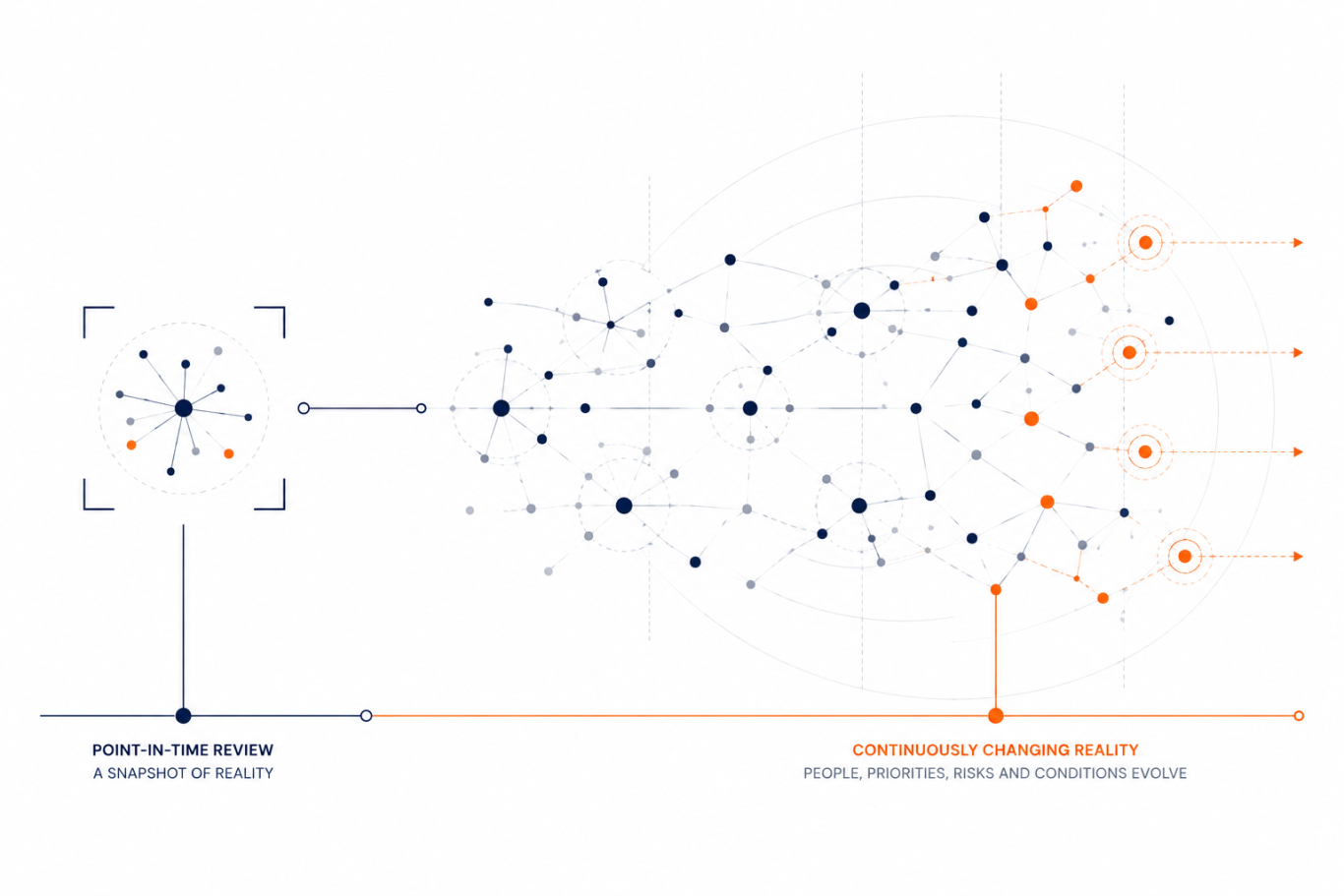
Why Traditional Oversight Falls Short.
Alliance oversight is still too dependent on fragmented processes.
Most organisations already have some form of alliance governance. The problem is that the component parts rarely operate as one management system.
Reviews are conducted separately, evidence is gathered inconsistently, reports are created for individual relationships and understanding depends heavily on the quality of local ownership. This creates several structural limitations:
- Point-in-time reviews
- Relationship-by-relationship management
- Fragmented evidence
- Activity-led reporting
- Dependence on individuals
Traditional approaches can support individual relationships, but they are less effective at maintaining consistent, current oversight across an evolving ecosystem.
Establish Your Current Position.
Before deciding how to strengthen alliance oversight, establish whether an Oversight Gap could already exist within your organisation.
The complimentary Gap Detector Assessment is designed to provide an initial indication of whether leadership's current understanding of its alliance ecosystem is supported by sufficient evidence, or whether an Oversight Gap may be developing.
It is not a sales exercise, an audit or a consulting engagement. There is no cost, no obligation to proceed and no expectation that further work will be required.
The assessment reflects the same evidence-first philosophy that underpins The Oversight System: establish the current position before deciding whether any action is necessary. If the results indicate that your current approach provides strong executive oversight, that is a valuable outcome in itself. If they suggest that confidence may be running ahead of evidence, you will have a clear basis for deciding what to do next.
In either case, decisions begin with evidence, not assumptions.
Assessment takes a few minutes | No Preperation Required | Complimentary Report and Score Received Immediately
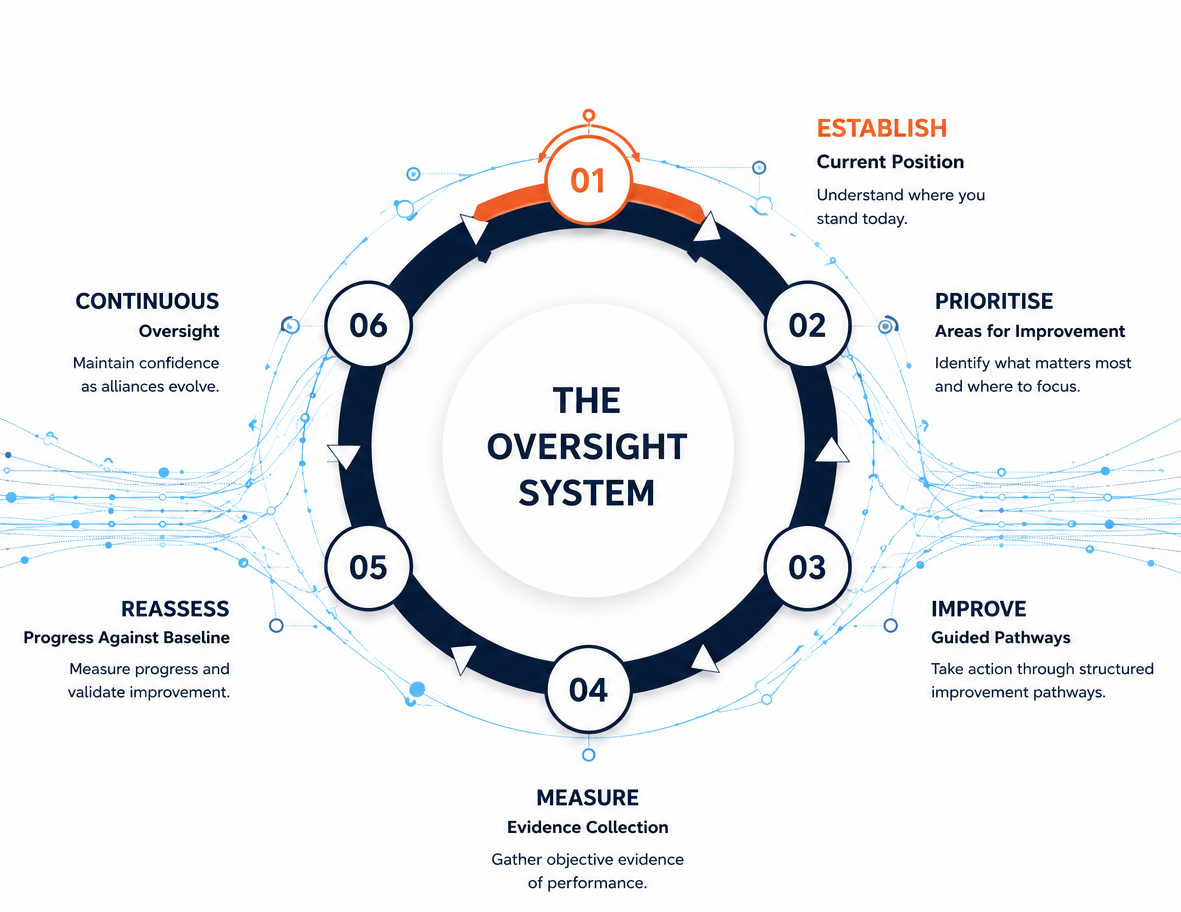
Introducing The Oversight System,
Alliance Oversight delivered as a repeatable system.
The Oversight System is an evidence-based management system for organisations that need a more reliable way to understand, oversee and improve their alliance ecosystems.
It brings together structured knowledge frameworks, maturity models, assessments, multi-respondent evidence, AI-supported analysis, benchmarking, executive reporting, outcome pathways and continuous reassessment.
The purpose is not to add another layer of reporting, it is to create a repeatable way to:
- Establish the current position
- Identify material gaps and divergence
- Validate leadership assumptions
- Prioritise action
- Track improvement
- Maintain an accurate understanding as the ecosystem evolves
Technology creates consistency, scale and repeatability. Human expertise provides interpretation, challenge and judgement.
Together, they turn Alliance Oversight from a periodic management activity into a continuous organisational capability.
Ecosystem Intelligence.
Building the complete, evidence-based visibility leadership needs to oversee its entire alliance ecosystem.
The Oversight System is designed to create something far more valuable than a point-in-time review.
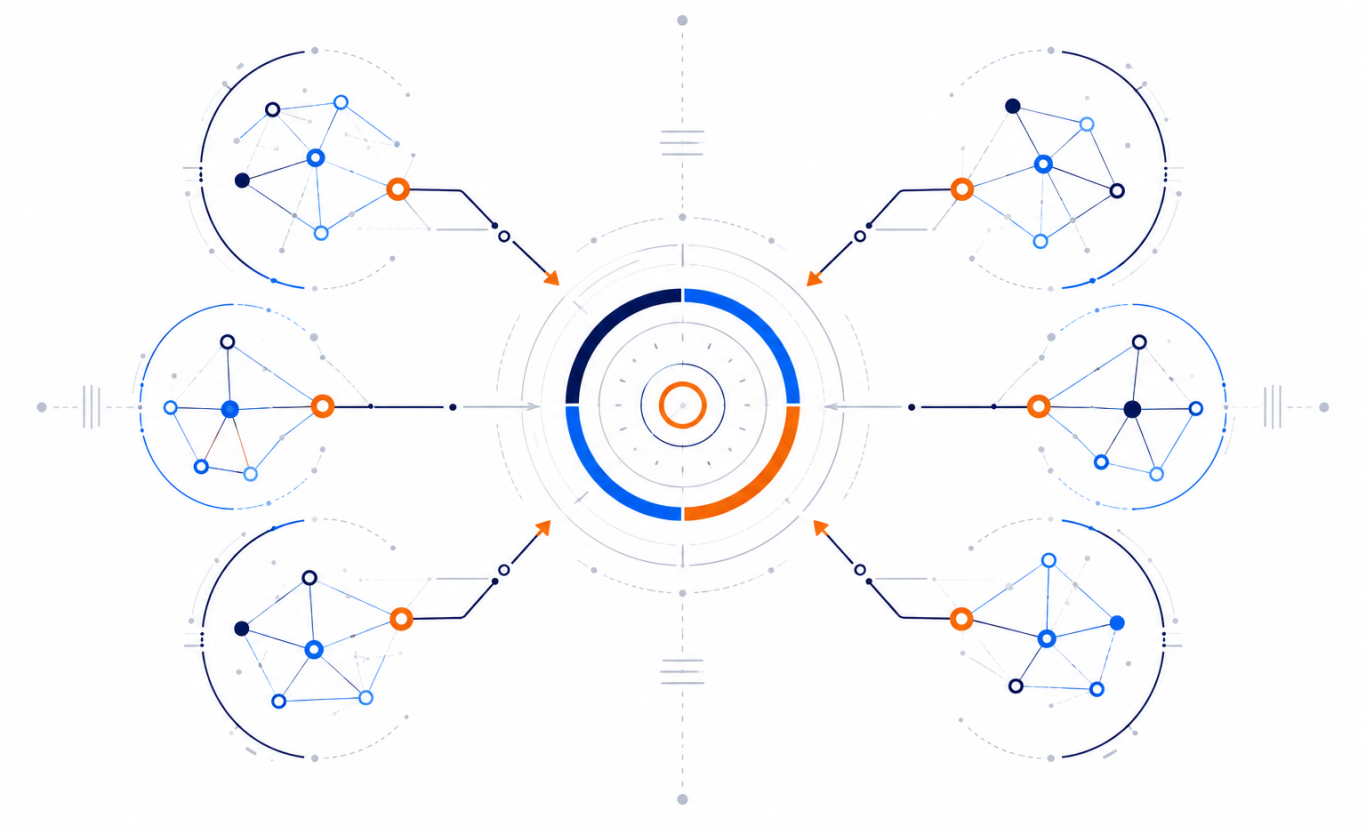
By continuously gathering, validating and connecting evidence from across your alliance ecosystem, it builds a living body of organisational intelligence that gives leadership a clearer understanding of strategy, execution, decision-making and organisational change.
As evidence accumulates, isolated observations become connected insight. Leadership gains an increasingly reliable view of where confidence is supported, where assumptions are developing and where attention is required.
This is Ecosystem Intelligence: a continuously improving understanding of your alliance ecosystem, built from evidence rather than opinion.
Ready To Strengthen Alliance Oversight?
Better decisions start with better visibility.
Every organisation reaches a point where leadership needs confidence that its understanding of the alliance ecosystem still reflects current operational reality.
Whether you are establishing a baseline, strengthening oversight or looking to embed a continuous management discipline, The Oversight System provides a structured, evidence-based way forward.
The first step is a conversation.
Together, we will explore your current approach, the challenges you are facing and whether The Oversight System is the right fit for your organisation.