
Align partner resources with the priorities that matter now
Time, budget and management attention often accumulate around established relationships. Unless the portfolio is reviewed on a consistent basis, the level of support each partner receives can gradually become disconnected from its current importance, potential or need.
The Visibility Assessment compares where resources are being used with the evidence across the relationships they are intended to support. This gives leadership a clearer basis for deciding what should remain, what should change and where existing capacity can be used more effectively.
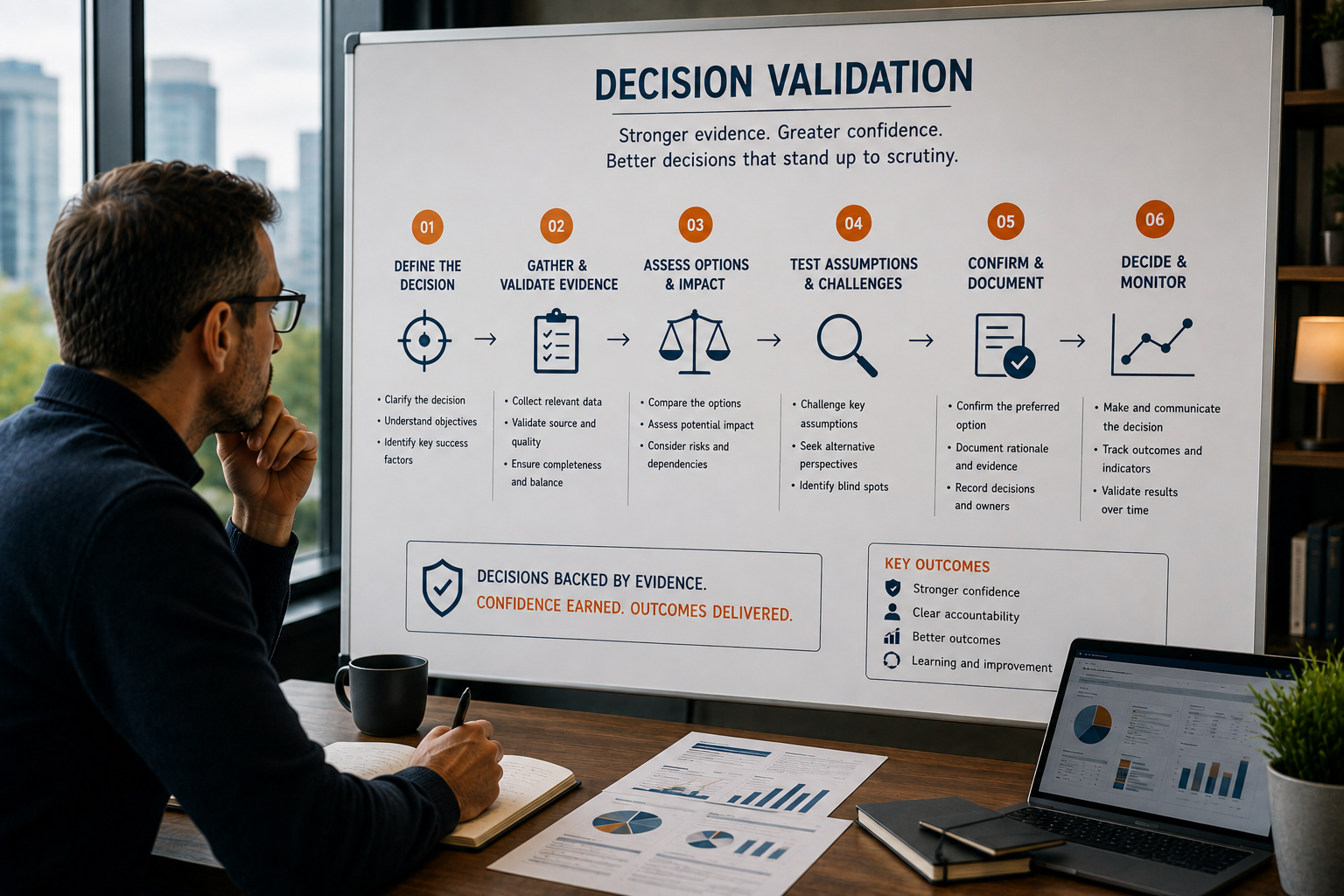
Historical allocation is not always current allocation
Resources may continue to follow the largest partners, the longest relationships or the most immediate requests. That can be entirely appropriate, but it can also leave high-potential relationships under-supported while experienced teams spend increasing amounts of time maintaining activity with limited prospect of further value.
The issue is not necessarily the total amount being invested. It is whether the distribution still reflects the organisation’s current strategy and the realistic opportunity across the portfolio.
Match support to current value and need
The assessment considers the time, funding, specialist support and management attention committed across the selected relationships. That allocation is compared with strategic alignment, commercial opportunity, capability, engagement, performance and the level of intervention each relationship genuinely requires.
The portfolio view shows relative position as well as individual need. This prevents a highly demanding relationship from receiving priority simply because its requirements are more visible, and ensures that quieter partners with a stronger commercial case are not overlooked.
Make better use of existing capacity
Leadership can see where support is proportionate, where a relationship is consuming more resource than its likely return justifies and where additional attention could unlock greater value. It also becomes easier to distinguish investment intended to accelerate an opportunity from support being used to compensate for a persistent weakness.
The immediate return is better use of existing capacity. Resources can be redirected deliberately, with clear reasons for the change and a baseline for assessing whether the revised allocation produces the intended result.
Review the distribution before adding more resource
If partner teams are stretched or leadership is reconsidering where time and budget should be concentrated, the conversation can begin with the current allocation and the priorities it is expected to support.